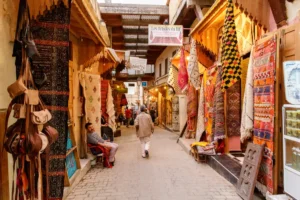
Moroccan cuisine is a layered culinary tradition, where Berber heritage emphasizes seasonal ingredients and time honored preservation techniques. In the High Atlas, cooking specifically reflects mountain traditions: slow cooked tagines that maximize fuel efficiency, bread baked in communal ovens, and aromatic spices that balance the ruggedness of mountain life. Cooking classes in these villages provide more than a recipe; they offer a window into the lives of Berber women who maintain ancestral food traditions through an oral legacy passed from mother to daughter.
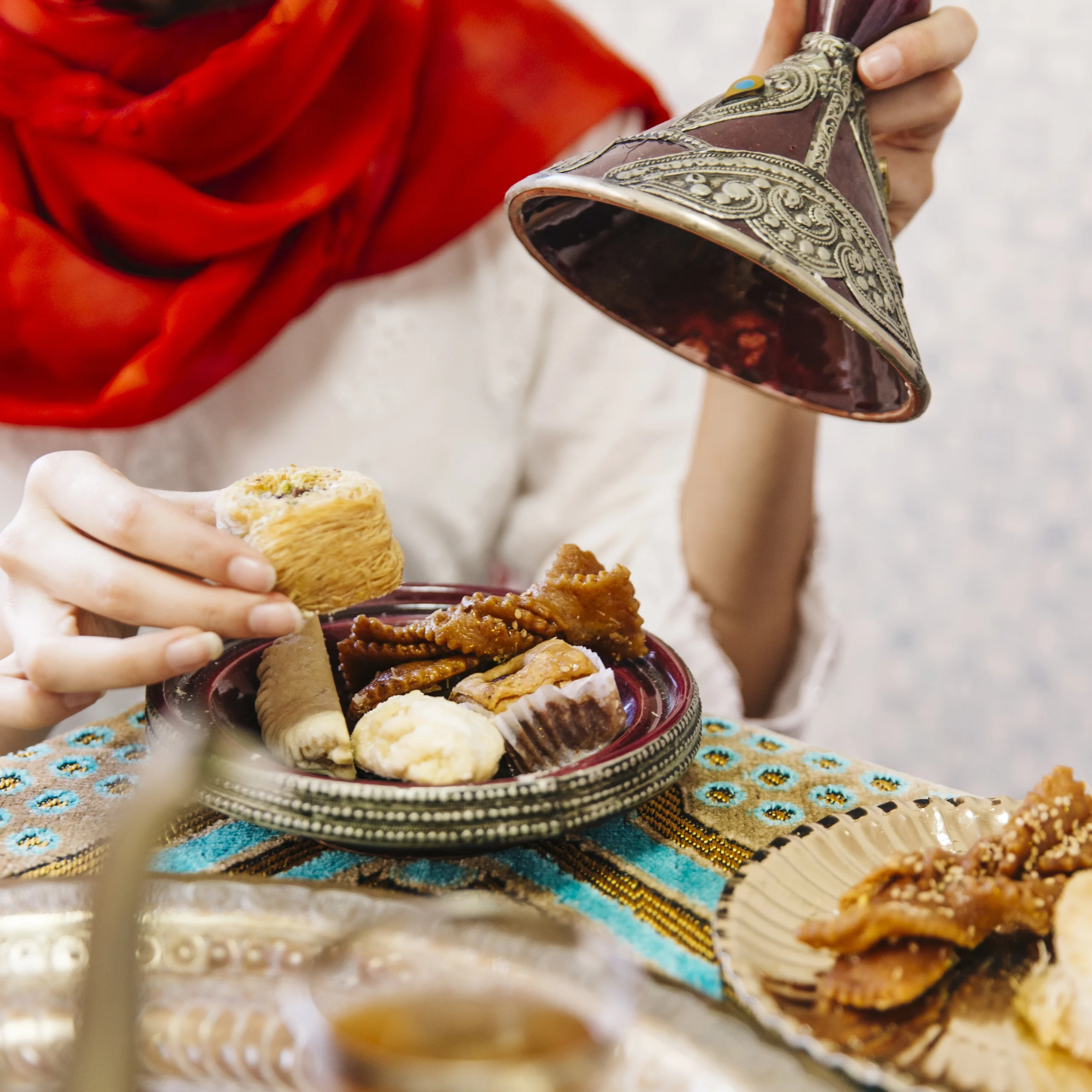
The Foundations of Berber Cuisine
The culinary identity of the Atlas Mountains is shaped by high altitude farming and the necessity of resourcefulness. Ingredients follow strict harvest cycles, from spring greens and summer zucchini to the root vegetables and preserved fruits that provide sustenance through the winter. Spices like cumin, ginger, and turmeric are the foundational flavors, while saffron and cinnamon add a layer of warmth and complexity to savory meat dishes.
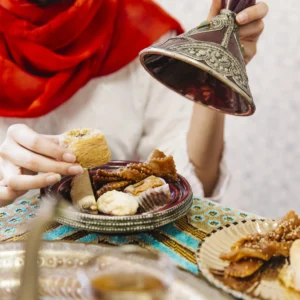
Proteins are traditionally centered around lamb and goat, though chickpeas and lentils serve as a protein base for many vegetarian staples. Every dish is accompanied by bread, a primary carbohydrate baked in communal neighborhood ovens that serve as social hubs for the community. Signature dishes like the slow cooked lamb and prune tagine or the complex, steamed semolina of Friday couscous are celebrations of family and hospitality.
Class Formats and Educational Experiences
Travelers can engage with this culinary tradition through several formats. Half day classes are perfect for those with limited time, focusing on two or three specific recipes and concluding with a shared meal. Full day programs often include a visit to the local souk, where students learn the art of ingredient selection and negotiation, followed by a comprehensive meal preparation including bread baking and traditional tea service.
For the serious enthusiast, residential cooking programs offer a deeper immersion. Over three to seven days, guests live in a guesthouse or family home, mastering advanced techniques and experiencing the daily rhythm of an authentic mountain kitchen. These programs often provide extended exposure to the local language, Tamasheq, and include visits to local oil producers and bread makers.
Choosing a Location and Instructor
The experience varies significantly based on the location. Accessible villages like Imlil or the Ourika Valley offer established infrastructure and English speaking instructors, making them ideal for day trips from Marrakech. For a more remote experience, the Ait Bougmez Valley offers genuine village integration and homestays where the cooking is taught directly by Berber women in their own kitchens.
Instructors are the heart of the experience. Many Berber women are the true authorities on traditional cooking, offering a patient, hands on approach that prioritizes demonstration over written instruction. While some professional tourism trained cooks provide multilingual clarity and documented recipes, the most authentic connections are often made through the non-verbal exchange of techniques in a humble family kitchen.
Practical Logistics and Engagement
Participating in a cooking class requires a certain level of physical readiness, as traditional kitchens may involve standing for several hours or working on floor level surfaces. Most classes range from 30 to 80 Euros per person, depending on the depth of the program and whether market visits or transportation are included. It is an investment in cultural education that supports the artisan community directly.
Approaching these classes with curiosity and a humble learner’s mindset transforms the activity into a meaningful human connection. By meeting your hosts with respect for their traditions, you gain an appreciation for the remarkable adaptation that enables human life to flourish in the extreme environments of the Atlas Mountains. The skills acquired and the memories of genuine hospitality will remain long after the final meal is consumed.