Moroccan rugs represent an enduring handcrafted tradition where Berber women weave their heritage across generations. Each piece is a cultural artifact, encoding regional identity and family history into patterns that can take months or even years to complete. Beyond their aesthetic appeal, authentic rugs are investment-grade collectibles that support artisans in maintaining centuries-old design philosophies and traditional livelihoods.
Regional Styles and Rug Varieties
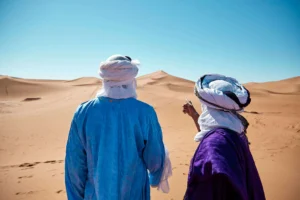
The landscape of Moroccan weaving is as diverse as the country itself. Berber rugs from the High Atlas are known for their bold geometric patterns and natural earth tones, often using high-quality wool that reflects a strong mountain weaving tradition. In contrast, Saharan or Desert rugs from regions like Merzouga frequently incorporate indigo blues and earth tones, featuring a coarser weave adapted to the desert climate.
Urban centers such as Fes and Rabat produce intricate city rugs, often influenced by Persian traditions. These pieces frequently utilize fine silk and wool blends with thousands of knots per square inch, resulting in rich, jewel-toned masterpieces. For those seeking something lighter, the Kilim—a flat-weave rug without pile—offers a versatile, more affordable option characterized by its thin profile and vibrant geometric energy.
Assessing Quality and Construction
Identifying a high-quality rug requires a sensory approach. Genuine wool should feel soft and springy, possessing a natural luster rather than a synthetic shine. The density of the knots is a primary indicator of labor and durability; finer rugs may have over 200 knots per square inch. When inspecting the construction, ensure the fringes are an integrated part of the vertical warp threads—sewn-on fringes are a common sign of machine-made counterfeits.
Dyes and Authenticity
The colors of an authentic rug are typically derived from natural plant-based dyes like indigo, madder root, and walnut husks. These dyes produce subtle, muted tones with minor variations in shade, a characteristic known as abrash. Conversely, synthetic dyes often appear overly uniform or unnaturally bright. A simple test for authenticity is the smell; genuine wool has a distinct, natural scent, whereas synthetic materials often emit chemical or plastic-like odors.
The Art of the Bargain
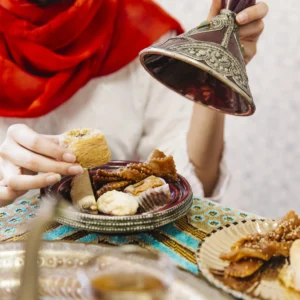
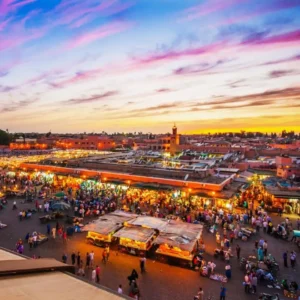
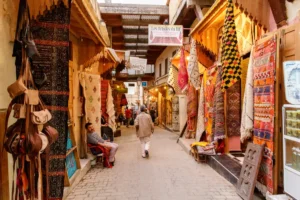
Shopping in the medina souks is a social experience where bargaining is the expected norm. It is not an act of aggression but a path to compromise. A typical strategy involves an initial offer of about 50 percent of the asking price, followed by a leisurely discussion—often over mint tea. A fair final price usually lands between 60 and 70 percent of the original quote. It is important to remember that in artisan cooperatives, prices are often fixed to ensure fair wages, and bargaining in these spaces is generally considered disrespectful.
Logistics and Long-Term Care
Transporting a rug home is a manageable process. Most reputable shops are experts at rolling and packing rugs for international shipping or checked luggage. Once home, maintenance is straightforward: regular low-power vacuuming and rotating the rug to ensure even wear. Avoid direct, prolonged sunlight to prevent fading, and always opt for professional cleaning every few years to preserve the natural fibers.
An authentic Moroccan rug is more than a home furnishing; it is a living story of a weaver’s hands and a regional legacy. By purchasing thoughtfully and researching origins, you ensure that your acquisition is both a financial wisdom and a meaningful act of cultural preservation. These pieces improve with age, carrying the soul of the Sahara and the Atlas Mountains into your personal space.